

Explore the vast array of wild species to be found across the UK
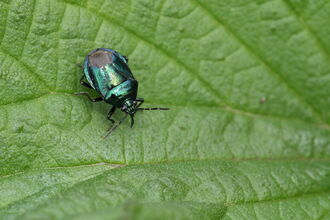
Blue shieldbug
This dazzling blue-green shieldbug is a predator, hunting other insects.
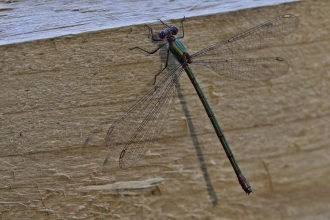
Willow emerald damselfly
A recent colonist to south east England, the metallic-green willow emerald damselfly spends much of its time in the willow and alder…
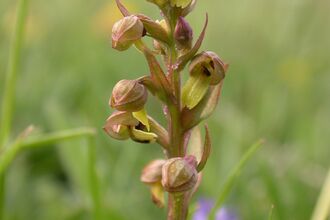
Frog orchid
This unassuming orchid is easily overlooked. It is found patchily across the UK, but has been declining for decades.
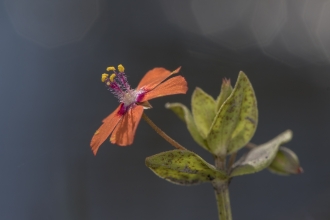
Scarlet pimpernel
The scarlet pimpernel is now in decline due to intensive agricultural practices. It can be found in arable fields, on roadside verges…
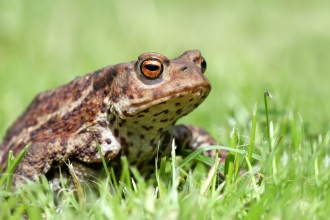
Common toad
Despite its warts and ancient associations with witches, the common toad is a gardener's friend, sucking up slugs and snails. It is…
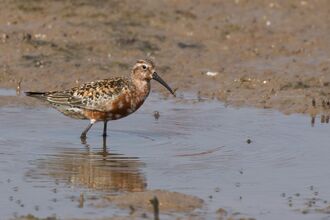
Curlew sandpiper
This elegant wader is an uncommon autumn visitor, often joining flocks of dunlin.
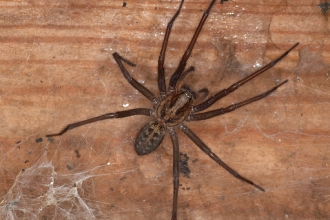
Giant house spider
The giant house spider is one of our fastest invertebrates, running up to half a metre per second. This large, brown spider spins sheet-…
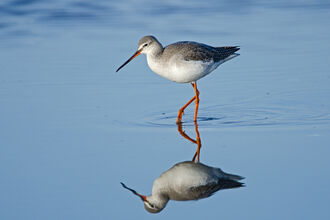
Spotted redshank
This elegant wader is silvery grey in winter but turns black in summer!
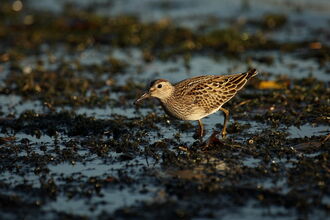
Pectoral sandpiper
This wading bird is a rare visitor from North America, usually spotted in autumn.
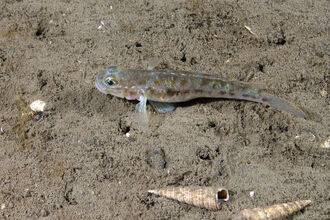
Fries's goby
This shy fish lives in burrows in muddy seafloors, sometimes sharing them with nephrops.
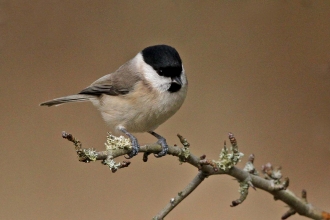
Marsh tit
Despite its name, the marsh tit actually lives in woodland and parks in England and Wales. It is very similar to the willow tit, but has…
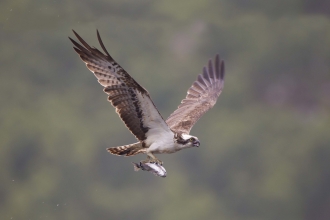
Osprey
A great way to get up close and personal with the magnificent osprey is via one of the many nestcams set-up in the places that it breeds…


